
The Beauty of Learning: Rediscovering Beginnerhood

There’s something oddly liberating about being clueless.

We’re conditioned to chase mastery — collect degrees, stack skills, and stay on top of our game. But there’s a quieter joy in starting from scratch, in not knowing, in fumbling your way forward. Being a beginner, voluntarily or otherwise, puts you back in touch with something raw and alive.

I’ve come to see beginnerhood not as a weakness, but as a kind of quiet strength. When you’re a beginner, the world regains its texture. Every small success — tying a clean yoga bind, painting your first awkward watercolour flower, configuring a basic Python script — feels like a personal revolution. There’s no expectation to be perfect. Just the permission to be curious.

A Personal Note from the Beginning Line

A few months ago, I opened Blender for the first time. The interface stared back like a cryptic puzzle. I’ve worked with complex models and AI frameworks — but this was something else. Alien.

Nothing I clicked made sense. I undid every step. I almost gave up.

But something made me stay. Maybe it was the freedom of not knowing what to expect. Maybe it was curiosity unshackled from performance.

Frame by frame, I figured things out. I made ugly objects. The render crashed. But that moment, that disorientation — it felt strangely nourishing.

I wasn’t producing. I was learning.

“In the beginner’s mind there are many possibilities, but in the expert’s mind there are few.”
— Shunryu Suzuki

Why Beginnerhood Matters (Especially Now)

We live in a world obsessed with speed and perfection. But being a beginner is an invitation to slow down. To notice details. To get intimate with the process, not just the outcome.

When we start something new — a language, a skill, a city — we return to asking better questions. We listen harder. We drop the mask of certainty. And slowly, quietly, we stretch into who we’re becoming.

What I’ve discovered is this: being a beginner doesn’t make you smaller — it stretches you. It reminds you that learning is not a ladder to be climbed but a field to be wandered, barefoot and wide-eyed.

In a way, that’s more powerful than being the expert in the room.

Lessons from the Blank Page

Here are a few truths I’ve come to love about being a beginner:

  • You stop performing and start absorbing.
    You don’t have to prove anything — which is exactly when real learning begins.
  • You build resilience gently.
    Every mistake becomes data, not defeat.
  • You remember what empathy feels like.
    You’re kinder to yourself — and by extension, to others finding their footing too.
  • Time feels different.
    There’s presence. Attention. A kind of flow in the fumbling.

From PhD Walls to Swim Lanes

This isn’t just about creative tools.

During my PhD, there were long phases of uncertainty, where nothing made sense, where I questioned everything. But looking back, that discomfort was doing the slow work of reshaping me. Teaching me to stay. To ask again. To try, even when I didn’t know how it would unfold.

Later, I took swimming lessons as an adult. Humbling? Absolutely. But in the embarrassment, there was a strange joy. I wasn’t competing. I was just showing up. Breath by breath, stroke by stroke.

“You have a right to your actions, but never to your actions’ fruits.”
Bhagavad Gita

This line hits differently when you’re learning something from the ground up.

An Invitation

In a world obsessed with speed, scale, and showing off — to begin again is an act of quiet rebellion.

Where in your life can you start over?
What’s something you’ve shelved because you didn’t want to be seen starting small?

Dust it off. Begin again.

There’s beauty in the slowness. Grace in the mess. And, quietly, your future self is cheering you on.

So here’s to the fresh notebooks. The trembling first strokes. The teachers we find in strangers, children, and YouTube tutorials. Here’s to stumbling and laughing and asking the obvious questions.

Because sometimes the most soulful progress begins when we stop trying to prove, and start choosing to play.

If this resonates, I’d love to hear from you. Drop a note or comment — what are you learning or relearning right now? Let’s celebrate the courage it takes to begin.
What I’m Learning About Resilience

Resilience used to feel like a word made of steel — cold, rigid, unbending. I imagined it as something you grit your teeth to build, something you summoned in hard times like a shield. You pushed through. You soldiered on. You kept going because that’s what strong people do.

But lately, I’m learning that real resilience isn’t forged in resistance. It isn’t always bold or loud or Instagrammable. Sometimes it’s the quiet decision to not give up on yourself — again.

Sometimes it’s a whisper, not a roar.

Over the past few months, life has delivered its usual mix of curveballs, cosmic nudges, and unanswered questions. Things I thought would come through didn’t. Opportunities shifted. The ground beneath what felt certain, moved. And in that movement, something inside me cracked open — not in despair, but in a strange kind of softness.

I’ve started to realize that resilience isn’t the ability to bounce back to who you were before. It’s the grace to become someone new, someone gentler, someone who can carry the learnings forward with more love.

It’s in those mornings when the world feels heavy and yet, you choose to make your bed anyway. It’s in the art of reaching for poetry when your mind wants to spiral. It’s in replying to an email even when your spirit feels porous. It’s in drinking water, stretching, and forgiving yourself for needing rest.

Resilience, I’ve come to believe, is a rhythm — not a race.

It lives in the mundane. In routines that look ordinary on the outside but hold the scaffolding of your becoming. It lives in the way you start again — for the sixth or sixteenth time. It lives in how you allow grief and gratitude to coexist in the same breath.

I’m learning to not measure resilience by productivity. I’m learning to honor my pauses — the days when my mind needs stillness, the afternoons when I sit in silence without needing to name or fix. In these moments, resilience feels like surrender. Like trusting that something is being woven inside the stillness, even if I can’t see it yet.

One of the most surprising lessons has been this: resilience is not always about strength. Sometimes, it’s about tenderness. It’s about how kindly you speak to yourself in the aftermath of disappointment. It’s about how slowly you allow yourself to heal. It’s about not rushing your bloom.

We don’t talk enough about emotional fatigue — that bone-deep exhaustion that doesn’t come from doing, but from feeling. The exhaustion of hope deferred. The fatigue of carrying invisible burdens. The quiet ache of holding space for your own becoming while still showing up for others.

But even here, in the ache, resilience is quietly working. Not in transformation with trumpets, but in quiet cellular shifts — in the realignment of what you now allow, what you no longer chase, what you choose to honor.

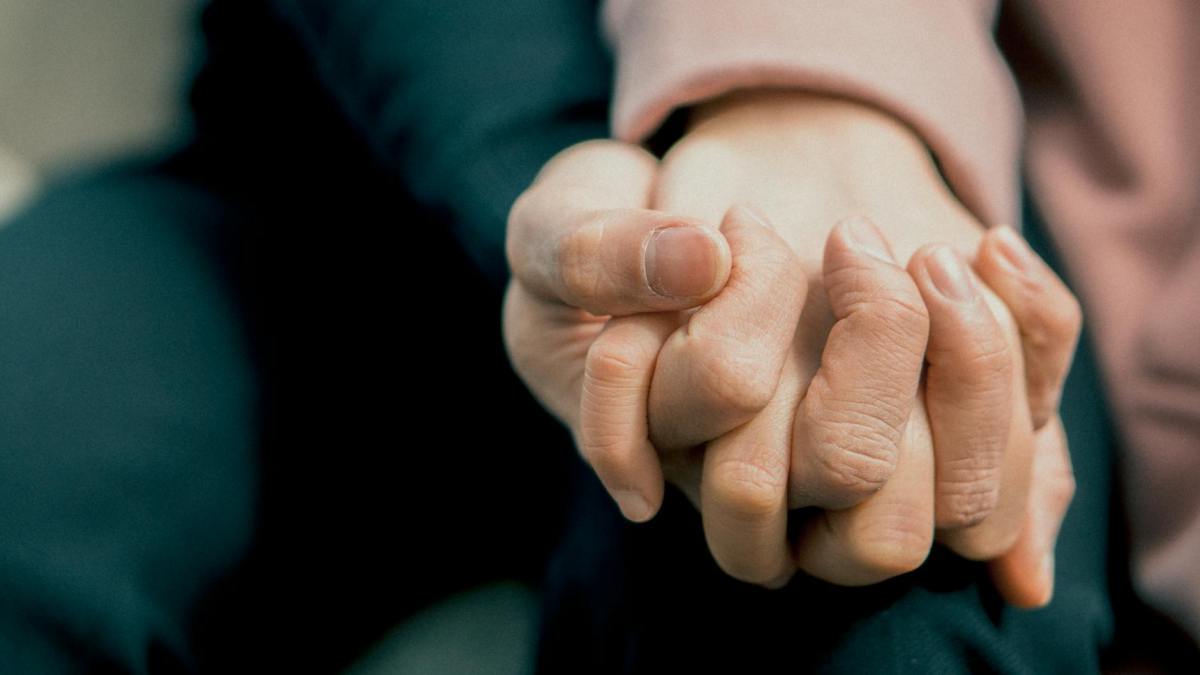
I’m also learning that resilience isn’t solitary. It’s not about doing it all on your own. It’s about the friends who text “thinking of you” out of nowhere. It’s about leaning into shared laughter, asking for help, or letting someone hold space for your tears without rushing you back to joy.

It’s about community — even if that community is one person who sees you clearly.

Resilience, at its core, is a love story. A long, unfolding letter to the parts of you that once doubted they could survive — and now are slowly learning to thrive.

It’s in the ink you spill when you write through confusion. It’s in the tea you brew for yourself like a sacred act. It’s in the small ceremonies of coming home to your own heartbeat.

I don’t have it all figured out. Most days, I’m still piecing together what it means to hold ambition with ease, to stay tender in a world that rewards hard edges, to choose peace without guilt.

But I’m learning.

I’m learning that resilience is not a performance. It’s not about being unshaken. It’s about being willing to be reshaped.

So if you’re reading this and feel tired — not just physically, but soul-tired — I want you to know: you’re not failing. You’re growing. Even in your stillness. Especially in your stillness.

Let’s reclaim resilience as something rooted in love, not pressure. Let’s measure it by how well we return to ourselves — not how quickly we recover.

Because ultimately, the strongest people I know are not the ones who “bounce back” with polished smiles. They’re the ones who return softer, wiser, more tender — and still willing to believe in light.

And maybe, just maybe, that’s enough.